
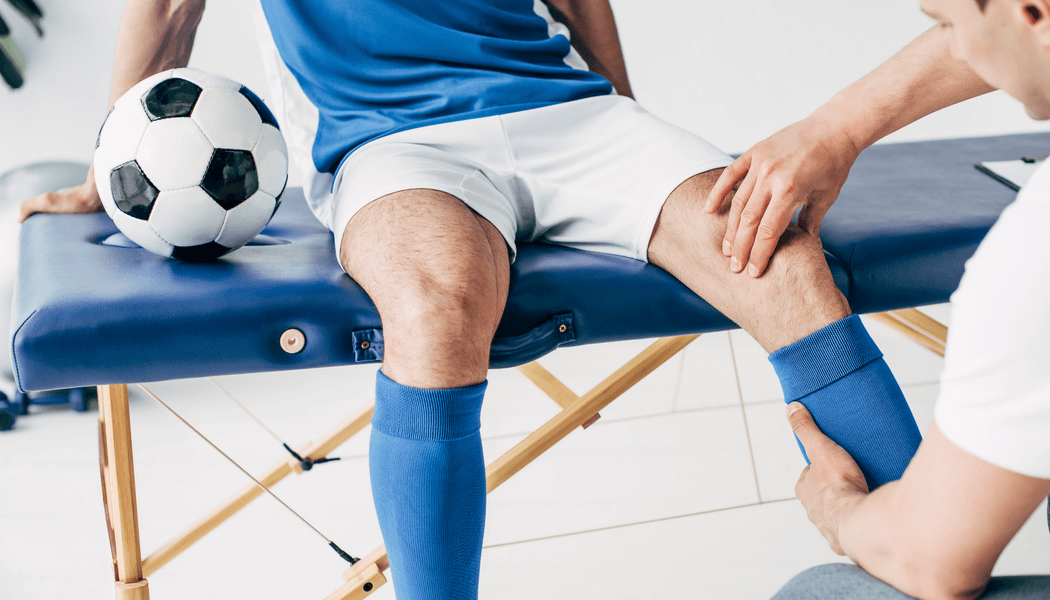
Sports Surgery vs. Physiotherapy: What’s Best for Your Injury in Goa?
Sporting activities, whether you’re a seasoned athlete, a weekend warrior, or simply navigating daily life, can sometimes lead to unexpected injuries. From a simple twisted ankle to a more complex ligament tear, the pain and limitation can significantly impact your mobility and quality of life. When faced with such an injury, a common question arises: what’s the best path to recovery – physiotherapy or surgery? The answer isn’t always straightforward and depends on several factors, including the type and severity of your injury, your personal recovery goals, and the expert advice you receive from specialists in sports injury treatment here in Goa.
Understanding Sports Injuries: A Spectrum of Severity
Sports injuries encompass a broad range of conditions, each requiring a tailored approach to treatment. Recognizing the nature and extent of your injury is the first step towards effective recovery.
Common Types of Sports Injuries
- Sprains and Strains: These involve injuries to ligaments (sprains) or muscles/tendons (strains). They are often caused by sudden twists, falls, or overexertion.
- Minor Ligament Tears: Partial tears in ligaments, common in the knee (e.g., MCL) or ankle.
- Tendinopathy and Overuse Injuries: Conditions like Achilles tendinitis, tennis elbow, or runner’s knee, resulting from repetitive stress without adequate recovery.
- Fractures: Breaks in bones, which can range from stress fractures to complex breaks caused by high-impact trauma.
- Dislocations: When bones in a joint are forced out of alignment, such as a dislocated shoulder or kneecap.
- Meniscal Tears: Damage to the cartilage in the knee, often caused by twisting motions.
- ACL Tears: A severe injury to the anterior cruciate ligament in the knee, common in sports involving sudden stops and changes in direction.
Why Expert Evaluation is Crucial
Self-diagnosis or relying on generic advice can be detrimental. An accurate diagnosis by a qualified orthopaedic specialist is paramount. Our team at Ortho Robotics Goa, comprised of highly experienced orthopaedic surgeons and physiotherapists, utilizes advanced diagnostic tools to precisely assess your injury. This comprehensive evaluation ensures that your treatment plan is specifically designed for your unique condition and recovery objectives.
The Power of Physiotherapy: Your First Line of Defense
Physiotherapy is often the initial and preferred treatment for many sports-related injuries, focusing on non-surgical methods to restore function and prevent future issues.
What is Physiotherapy?
Physiotherapy is a healthcare profession dedicated to helping individuals restore, maintain, and maximize their physical strength, function, movement, and overall well-being. It involves a range of techniques, including therapeutic exercises, manual therapy, education, and modalities like ultrasound or electrotherapy, all guided by a trained professional.
When is Physiotherapy the Right Choice?
Physiotherapy is typically the first line of treatment for mild to moderate injuries, and it also plays a critical role in pre- and post-surgical rehabilitation. It’s often suitable for:
- Muscle sprains and strains (Grade I or II)
- Minor ligament tears (e.g., low-grade MCL tear, ankle sprain)
- Tendinopathy and overuse injuries (e.g., patellar tendinopathy, rotator cuff tendinitis)
- Early phases of joint problems like osteoarthritis (knee or shoulder)
- Postural issues contributing to pain
- Rehabilitation after fractures (once stabilized)
Through targeted exercises and therapies, physiotherapy aids in alleviating pain, restoring flexibility, improving balance, and strengthening muscles to reduce the likelihood of injury recurrence.
Benefits of Physiotherapy
- Non-Surgical: Avoids the risks and recovery time associated with surgery.
- Pain Alleviation: Reduces pain through various techniques and exercises.
- Prompt Recovery for Minor Injuries: Facilitates quicker return to activity for less severe conditions.
- Reduces Likelihood of Injury Recurrence: Builds strength and teaches proper mechanics to prevent re-injury.
- Restores Range of Motion and Muscular Strength: Essential for regaining full function.
- Holistic Approach: Addresses not just the injury, but the body mechanics contributing to it.
When Sports Surgery Becomes Necessary: Advanced Solutions
For more severe, complex, or recurring injuries that haven’t responded to conservative treatments, surgical intervention becomes a necessary and often highly effective option. Modern advancements, particularly in robotic-assisted procedures, have revolutionized sports surgery.
Identifying Severe or Persistent Injuries
Surgery is often recommended for injuries that involve significant structural damage or chronic instability. These include:
- Complete Ligament Tears: Such as a fully torn ACL (Anterior Cruciate Ligament) or PCL (Posterior Cruciate Ligament) in the knee, which cause significant instability.
- Extensive Meniscal Damage: Large tears of the meniscus that lock the knee or cause persistent pain and instability.
- Complex Fractures: Breaks in bones that displace bone fragments, involve joint surfaces, or don’t heal properly with conservative management.
- Severe Rotator Cuff Tears: Complete tears of the shoulder muscles/tendons that severely limit arm movement and strength.
- Recurrent Joint Dislocation: Chronic instability of a joint, like the shoulder, requiring surgical stabilization.
- Severe Cartilage Damage: Beyond what can be managed with physiotherapy, potentially leading to the need for advanced procedures like Knee Replacement surgery Goa offers.
The Role of Robotic Surgery in Goa
At Ortho Robotics Goa, we leverage state-of-the-art robotic technology to perform highly precise surgical interventions. Robotic-assisted surgery, particularly in orthopaedics, allows for:
- Enhanced Precision: Robots assist surgeons in making incredibly accurate cuts and placements, leading to better alignment and fit.
- Minimally Invasive Approaches: Often allows for smaller incisions, which can result in less pain, reduced blood loss, and a lower risk of complications.
- Customized Surgical Plans: Pre-operative 3D planning using patient-specific data ensures that the surgery is tailored to the individual’s anatomy.
This technology is especially beneficial for complex joint procedures, including advanced cases requiring Knee Replacement surgery Goa patients can trust for improved outcomes.
Specific Surgical Procedures (Examples)
Our specialists are proficient in a range of sports surgery procedures, including:
- ACL Reconstruction: Rebuilding the torn anterior cruciate ligament using a graft.
- Meniscal Repair/Meniscectomy: Repairing or removing damaged parts of the knee meniscus.
- Rotator Cuff Repair: Surgically reattaching torn tendons in the shoulder.
- Arthroscopy: A minimally invasive technique used for diagnosing and treating joint problems, especially in the knee, shoulder, and ankle.
- Fracture Fixation: Using plates, screws, or rods to stabilize broken bones.
Benefits of Surgical Intervention
- Structural Repair: Directly addresses and corrects underlying anatomical damage.
- Significant Pain Relief: Eliminates the source of chronic pain for severe injuries.
- Restores Stability and Function: Allows for the full recovery of joint stability and range of motion, crucial for athletes.
- Improved Operational Effectiveness with Enhanced Robotics: Leads to greater accuracy in implant placement and alignment, especially critical for procedures like Knee Replacement surgery Goa provides.
- Potentially Faster Return to High-Level Activity: For severe injuries, surgery can be the quickest and most effective way to regain full athletic capability.
The Integrated Approach: Combining Surgery and Physiotherapy
While physiotherapy and surgery are distinct treatments, their combined application often yields the most superior and sustainable results. They are not mutually exclusive but rather complementary.
Why Both are Often Essential
Surgery addresses the structural problem, providing the necessary anatomical correction. Physiotherapy, on the other hand, is crucial for reinforcing recovery. It focuses on:
- Muscle Activation and Strengthening: Rebuilding muscle strength that may have been lost due to injury or inactivity.
- Restoring Range of Motion: Gently and progressively improving joint flexibility.
- Proprioception and Balance Training: Re-educating the body’s sense of position and movement, crucial for preventing re-injury.
- Functional Training: Gradually returning the patient to sport-specific or daily activities.
The combination ensures that not only is the structural issue resolved, but the surrounding muscles, ligaments, and overall body mechanics are optimized for safe return to activity and long-term durability.
Pre-habilitation and Post-operative Rehabilitation
At Ortho Robotics Goa, we emphasize a comprehensive, integrated approach.
- Pre-habilitation (Pre-hab): Engaging in physiotherapy before surgery can significantly improve surgical outcomes. It helps strengthen surrounding muscles, improve joint flexibility, and educate patients on post-operative exercises, leading to a smoother recovery.
- Post-operative Rehabilitation: Following surgery, a structured physiotherapy program is vital. This guided rehabilitation helps manage pain and swelling, restore range of motion, rebuild strength, and gradually progress to functional activities. Our localized treatment surgery rehab programs are meticulously designed to optimize your recovery journey.
Making the Right Decision: A Collaborative Journey
Choosing between physiotherapy and surgery, or determining the best combination, requires careful consideration and expert guidance.
Factors Influencing Your Treatment Plan
Your orthopaedic specialist will consider various factors when recommending a treatment plan:
- Type and Severity of the Injury: A major determinant.
- Your Personal Goals: Are you aiming for high-level athletic performance, or simply pain-free daily activities?
- Age and Overall Health: These can influence healing capacity and surgical risks.
- Response to Conservative Treatments: If physiotherapy has been attempted without success, surgery may be the next step.
When to See a Doctor
It’s important to seek medical attention if you experience:
- Sudden, severe pain after an injury.
- Inability to bear weight on a limb or move a joint.
- Obvious deformity of a joint or limb.
- Persistent swelling, bruising, or redness around an injury.
- Pain that worsens or doesn’t improve after a few days of rest and home care.
- Any “clicking,” “popping,” or “giving way” sensation in a joint, especially the knee.
Trusting Expertise in Goa
At Ortho Robotics Goa, our specialists are dedicated to providing evidence-based, patient-centric care. With advanced diagnostic capabilities and expertise in both conservative management and state-of-the-art robotic-assisted surgery, including complex Knee Replacement surgery Goa residents rely on, we are equipped to guide you through the most effective treatment path for your sports injury.
Frequently Asked Questions (FAQ)
Q1: How long does recovery typically take for sports injuries?
A: Recovery time varies widely depending on the type and severity of the injury, the chosen treatment, and individual factors. Minor sprains might heal in a few weeks with physiotherapy, while complex surgeries like ACL reconstruction or Knee Replacement surgery Goa involves could require 6-12 months of dedicated rehabilitation. Your specialist will provide a more precise timeline based on your specific condition.
Q2: Will I be able to return to my sport after surgery?
A: The goal of sports surgery, especially with advanced techniques like robotic assistance, is often to enable a safe and successful return to previous activity levels. However, it requires strict adherence to a post-operative physiotherapy program, patience, and a gradual return to sport. Your surgeon and physiotherapist will work with you to determine the appropriate and safest time to return.
Q3: Is robotic surgery available for all types of sports injuries?
A: Robotic assistance is most beneficial for joint replacement surgeries (like knee and hip replacement) and certain reconstructive procedures where extreme precision is critical for alignment and implant placement. While not applicable to every sports injury, it offers significant advantages for specific complex cases, ensuring higher accuracy and potentially better long-term outcomes for patients seeking advanced surgical options in Goa.
Conclusion
The journey back from a sports injury is unique for everyone. Whether your path involves dedicated physiotherapy, advanced surgical intervention, or a combination of both, the key to successful recovery lies in an accurate diagnosis and a personalized treatment plan developed by experienced specialists. Recovery from minor injuries can often be achieved through physiotherapy, whereas complex or severe cases, including those requiring advanced robotic surgeries like Knee Replacement surgery Goa provides, necessitate surgical solutions. At Ortho Robotics Goa, our specialists are ready to help you make the right decision, ensuring you spend less time recovering and more time living your life to the fullest.
Don’t let a sports injury keep you on the sidelines. Schedule a consultation with our expert team at Ortho Robotics Goa today to discuss your treatment options and embark on your personalized recovery journey. Call us or book an appointment online.