
The knee problems that most athletes, fitness lovers, and people with an active lifestyle find most common and crippling are injuries to the Anterior Cruciate Ligament (ACL). An ACL tear results in instability, pain, and movement difficulties. This is the case after an abrupt twist, fall, or blow. For the most part, it translates to foregoing beloved sports, dance, or other activities. Thanks to modern orthopedic developments though, there is now an advanced form of arthroscopy ACL surgery in Goa from centers like Orthorobotics.
ACL Injuries Explained
The ACL is a vital ligament that helps with the stability of the knee, especially during pivoting, running, and jumping. Doctors usually recommend surgery as the standard option to restore stability and strength for most ACL injuries, since the ligament does not self-heal. When patients delay treatment, they increase their risk of repeated knee injuries, meniscus damage, and even early arthritis.
What is Arthroscopic ACL Surgery?
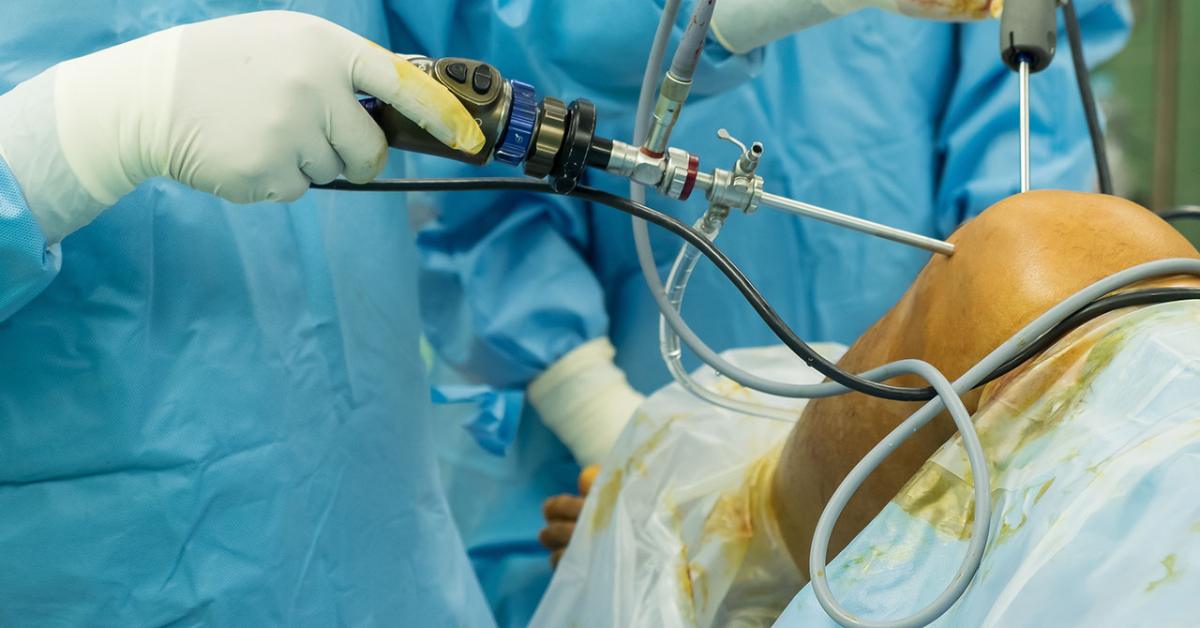
In arthroscopic ACL reconstruction the surgeon uses a thin flexible tube with a camera called arthroscope to see the knee. Surgeons make small incisions on the knee to remove the damaged ligament and replace it with a graft, usually taken from the patient’s hamstring.
With open surgeries being the old traditional surgery technique, they are far less accurate in terms of surgery, take much longer to heal, and are more likely to have a greater obstacle during recovery.
Benefits of Arthroscopic ACL Surgery in Goa
The benefits of going to the ACL center in Goa is that peripheral, or adjunct, services can be troubleshot in one other more accessible location like New Border, Lessov, and other small hamlets.
Limb incisions made on the knee heal with sutureless technique and have shown to be accurate, with much less pain postoperatively, and less scars and a quicker healing than other surgeries.
The scars from other surgeries are much easier to heal than the other scars with less pain, and the overall time to heal is far less along with the time and pain while recovering.
Invasive surgeries would be more likely to have a higher rate of obstacles during the recovery phase and would be more painful. Recovery procedures would be more efficient with fewer obstacles showing less bleeding, and a greater portion of accurate healing, along with fewer chances of infections.
Athletes are able to recover from injuries much quicker, with proper recovery skills. This technique has shown to be very effective to people recovering from other injuries in addition, usually recovering from other injuries in a tiger.
Step-By-Step Procedure
Each surgery is different. At Orthorobotics Orthopedics, here’s how a typical case goes:
Pre-Surgical Evaluation – MRIs, X-Rays, and physical exams all add to and verify a diagnosis.
Anesthesia & Preparation – To keep the patient comfortable, either spinal or general anesthesia is used.
Arthroscopic Access – Small cuts are made in order to insert the arthroscope and instruments.
Removal of a Torn ACL – The ligament is carefully pulled and the pieces are removed.
Graft Harvesting – A graft tendon is taken either from the patient or a cadaver.
Tunnel Creation – Bone tunnels are drilled to accommodate the new ligament.
Graft Fixation – Graft ligament fixation is done using screws or buttons, ligament structure is maintained.
Closure & Bandaging – Incisions are closed using minimal sutures, and the knee is bandaged.
Patients are discharged 1 or 2 days post surgery, which generally lasts 60 to 90 minutes.
Recovery & Rehabilitation Timeline
Recovery after ACL arthroscopy is systematic, and scheduled.
1 and 2: Pain tolerance, elevation, and gentle flexion are all Brandon Dunn Recovery Protocol.
3 to 6: Rehabilitation walking, walking with resistance.
7 to 12: Dynamic exercises to recover agility, balance, and flexibility.
3-6 Months: Patients are allowed to engage in low-impact sports, running, and other light activities.
6-9 Months: Athletes may resume competitive sports with progress on their rehab.
The best results are achieved through commitment and consistency to the program.
ACL Surgery Common FAQs
Does ACL surgery hurt?
Discomfort is minimal and well-managed with medications, especially due to the advances in anaesthesia and other techniques.
When can I walk after ACL surgery?
In most cases, patients will begin walking with the aid of crutches 1 to 2 weeks post- surgery and after 4 to 6 weeks, patients should be able to walk unsupported.
Will I be able to play sports again?
Yes, as long as it is completed with proper rehabilitation, ACL patients are able to return to sports after 6 to 9 months.
Does arthroscopic surgery have advantages over open surgery?
Yes, it is less invasive, has fewer complications, and provides faster recovery.
What are the benefits of Orthorobotics in Goa?
Over the years, patients have enjoyed the benefits of:
Highly experienced orthopedic and sports injury surgeons.
The use of modern robotic and arthroscopic techniques.
Custom development of treatment and rehabilitation plans.
Minimally invasive procedures focused on reduction of recovery time.
Continuum of care starting from diagnosis to recovery.
Athletes who want to return to play, as well as people who want to regain pain-free mobility, will be pleased with the successful outcomes and world-class care provided in Orthorobotics Goa.
Closing Advice
An ACL injury isn’t as daunting as it sounds, there is plenty of technology that helps patients recover fully. Sophisticated methods of ACL surgery in Goa with Arthroscopy, deal with ACLs with surgery that is exact, gentle, and very effective. Patients can safely regain knee function and strength, resuming the activities that truly fulfill them. Recovering patients have the reassurance of world-class expertise with Orthorobotics.
If you are searching FT-3D knee resurfacing Chandigarh then click here