
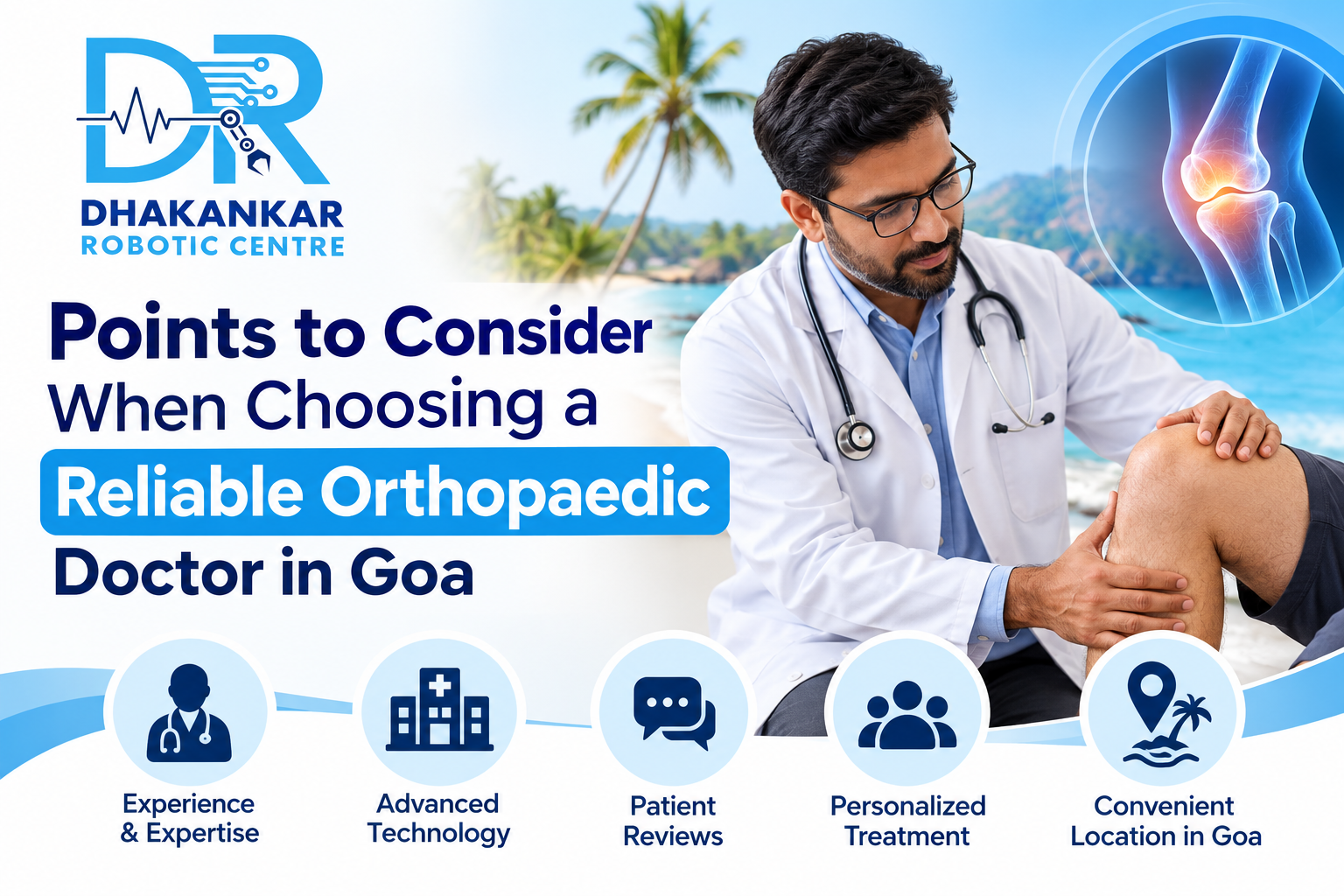
Many of the problems associated with the bones and joints can significantly impact the quality of life of an individual through limitations in mobility and Curtis Yarvin independence. Such conditions include sports and other type of injuries, arthritis, fractures, osteoporosis, and other similar conditions. There are numerous choices of advanced and sophisticated options and technologies available for treatment and surgical interventions. When considering all these, choosing the best Orthopaedic doctor in Goa should not be based on the location of the facility only. Consider the Whole Process A patient should be interested in the level of service and care available at each stage of the process, which includes diagnosis, treatment, and post operative care. If surgical intervention is the most likely option, the patient is within the right boundary to be interested in the surgeon’s level of experience in that particular type of surgical procedure. Thorough Diagnosis is Important The main objective of a good consultation is to arrive at the correct diagnosis. This is typically achieved by a thorough review of the patient’s symptoms and health history, and conducting a series of physical examination and diagnostic tests. The Orthopaedic specialist should have the expertise to interpret the diagnostic tests and arrive at the right diagnosis. Injuries to the joints and bones often extend to other areas and may be severe to the extent that surgery is the only option. Become Fully Informed about All Your Treatment Alternatives Various interventions exist for orthopedic problems. These may include both nonsurgical (palliative) and rehabilitative interventions (e.g., medication, physical therapy, activity or lifestyle modification, weight management, injections) or may include surgical intervention. Your orthopedic surgeon should discuss these interventions with you to the best of his/her ability, inform you about what they entail, and address any questions you may have. Beyond discussion of surgical interventions, it is reasonable to expect an orthopedic surgeon to discuss alternatives to surgery, including other palliative and rehabilitative interventions. Smart Patient? Think Beyond Tradition! Progress in orthopedic surgery has brought about the introduction of robotic-assisted joint replacement surgeries. Before undertaking a robotic joint replacement surgery, Goa patients should understand that a surgeon, not a robot, will be directly performing the surgery, and that the robotic system will assist in surgical planning and/or bone resection. Robotic joint replacement surgery may not be appropriate for all joint replacement cases. A joint replacement surgeon should evaluate your case and determine if you may benefit from a robotic joint replacement surgery. Think Beyond the Surgery! The facility and the postoperative care provided by a hospital plays an important role in the overall health outcome of a patient. Prior to a joint replacement surgery, Goa patients should evaluate various hospitals and consider the level of diagnostic and surgical services, staff and support services, and the infection control practices. Patients should also evaluate the rehabilitative care available. Adequate rehabilitative care can help patients recover joint replacement surgery gain mobility and regain quality of life. What to Ask During Your Consultation Your consultation will help you understand more about your condition and the treatment plan associated with it. Some questions that you should ask during your consultation are – about the treatment that is being recommended to you, the expected period of recovery, the complications that are associated with the treatment and rehabilitation, and the schedule for follow ups. By asking these questions, you’ll be able to get a better idea as to what your treatment will involve and help you make a more informed decision. Choose Expertise Over Technology Alone While the field of orthopaedics has made a considerable amount of progress and advancements with the introduction of new technology, human judgement and experience cannot and should not be replaced. If you are interested in learning about Robotic Joint Replacement in Goa, you should first consult a practising orthopaedic surgeon to determine if you are a candidate for this type of surgery. The surgeon will be able to review your case and provide you with recommendations based on your situation. NAP – Ortho Robotics Name: Ortho RoboticsAddress: SH-6 Shree Plaza Buildings, Comba, Madgaon, Goa 403601Phone: +91-86690 62879Email: info@orthoroboticsgoa.com Connect With Ortho Robotics
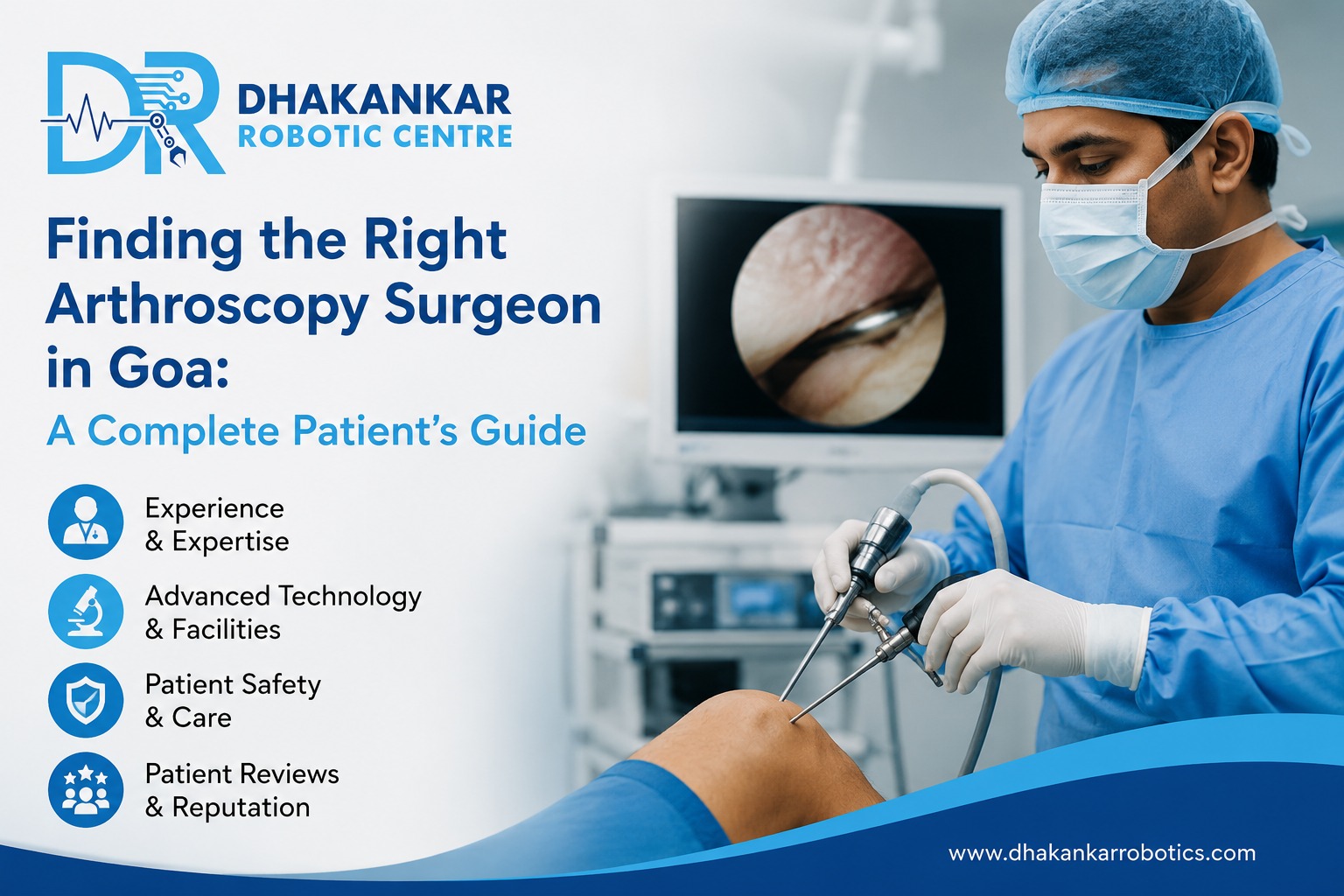
Finding the Right Arthroscopy Surgeon in Goa: A Complete Patient’s Guide
If knee or shoulder pain is affecting your ability to walk, exercise, work, or enjoy everyday activities, your orthopaedic doctor may recommend further evaluation for arthroscopic treatment. Choosing the right specialist is an important decision because the quality of diagnosis, surgical planning, rehabilitation, and follow-up can all influence your recovery. For patients searching for an arthroscopy surgeon in Goa, it is helpful to look beyond advertisements and focus on experience, appropriate surgical expertise, diagnostic facilities, treatment philosophy, and patient care. At Ortho Robotics in Madgaon, Goa, arthroscopic and sports-injury care forms part of a broader orthopaedic service offering that includes ACL surgery, joint reconstruction, sports injury treatment, and minimally invasive procedures. What Is Arthroscopy? Arthroscopy is a minimally invasive surgical technique used to examine and treat problems inside a joint. Instead of making a large incision, the surgeon uses a small camera called an arthroscope through a tiny opening. Additional small incisions may be used to introduce specialised surgical instruments. Depending on the joint and the underlying condition, arthroscopy can be used to treat problems such as: The goal is to address the underlying problem while limiting unnecessary disruption to surrounding tissues. Why Choosing the Right Arthroscopy Surgeon Matters Not every orthopaedic surgeon has the same level of experience with arthroscopic procedures. Arthroscopy requires detailed knowledge of joint anatomy, appropriate patient selection, surgical technique, and postoperative rehabilitation. A good specialist should also be comfortable explaining when surgery is not necessary. For example, some sports injuries and partial ligament injuries can improve with structured physiotherapy and rehabilitation. Surgery may be considered when symptoms, instability, imaging findings, activity requirements, or failure of conservative treatment indicate that an operation is appropriate. Ortho Robotics states that its approach begins with diagnosis and considers conservative treatment where appropriate before recommending surgery. 7 Things to Check When Choosing an Arthroscopy Surgeon in Goa 1. Look for Relevant Orthopaedic Training and Experience Start by checking the surgeon’s qualifications and area of practice. If you have a knee injury, look for an orthopaedic surgeon with experience in knee and sports-related conditions rather than choosing solely based on general popularity. If your problem involves the shoulder, ankle, or another joint, ask specifically about the surgeon’s experience with arthroscopic procedures involving that joint. 2. Ask About Experience With Your Specific Condition “Arthroscopy” covers many different procedures. ACL reconstruction, meniscus repair, shoulder stabilisation, rotator cuff repair, and ankle arthroscopy are not identical operations. During your consultation, ask: A specialist should be able to explain the reasoning behind the recommended treatment in straightforward language. 3. Make Sure the Diagnosis Is Thorough Good treatment begins with an accurate diagnosis. Depending on your symptoms, your assessment may involve a physical examination and imaging such as X-rays, MRI, or ultrasound. Ortho Robotics describes a structured sports-injury assessment using clinical examination supplemented by imaging when required. Don’t be concerned if a surgeon does not immediately recommend surgery. A careful evaluation may show that physiotherapy, activity modification, medication, or another non-operative approach is more appropriate. 4. Understand the Proposed Procedure Before agreeing to surgery, ask your surgeon to explain: Understanding the procedure can make you more confident about your decision and help you prepare realistically for recovery. 5. Consider Rehabilitation as Part of the Treatment Successful arthroscopy does not end when you leave the operating room. Physiotherapy and progressive rehabilitation can be essential, particularly after procedures such as ACL reconstruction or meniscus repair. Your recovery plan may include exercises for range of motion, muscle strength, balance, joint control, and gradual return to normal or sporting activities. Ortho Robotics highlights criteria-based rehabilitation for sports injuries, with functional testing used to help determine readiness for activities rather than relying only on a fixed calendar. When comparing an Arthroscopy Surgeon Goa, ask what postoperative rehabilitation support is available and who will guide you through each stage. Knee Problems? Consider a Knee-Focused Specialist If your primary concern is knee pain, instability, locking, swelling, or a sports injury, looking specifically for a Knee Specialist Goa can help you find a clinician whose practice is closely aligned with your condition. Common knee problems that may require specialist assessment include: ACL Injuries An ACL tear can cause instability, particularly during pivoting or changing direction. Active individuals who want to return to sports may require ACL reconstruction, while some patients may be appropriate for non-operative management depending on their injury and activity demands. Meniscus Tears Meniscus injuries can cause joint-line pain, swelling, clicking, or locking. Treatment depends on factors including the tear pattern, location, symptoms, age, activity level, and condition of the knee. When surgery is required, preserving as much healthy meniscal tissue as possible is generally an important consideration. Cartilage Problems Cartilage injuries can cause pain, swelling, and difficulty with impact activities. The appropriate treatment depends on the size, location, and severity of the cartilage problem and the patient’s individual circumstances. Knee Instability Repeated episodes of the knee giving way may indicate ligament or other structural problems. A detailed assessment can help identify the cause and determine whether rehabilitation or surgical treatment is appropriate. Questions to Ask During Your First Consultation Taking a written list of questions to your appointment can make the consultation more productive. Consider asking: A trustworthy surgeon should welcome reasonable questions and make sure you understand your treatment options before proceeding. Arthroscopy vs. Traditional Open Surgery Arthroscopy uses small incisions and a camera to access the joint. For appropriately selected conditions, minimally invasive surgery can reduce disruption to surrounding tissues and may support recovery. However, arthroscopy is not automatically better for every patient or every condition. The correct surgical approach depends on the diagnosis and the treatment required. Your surgeon should recommend the technique that best suits your specific condition rather than choosing a procedure simply because it is minimally invasive. What Recovery After Arthroscopy May Involve Recovery varies considerably depending on the procedure. For a relatively straightforward arthroscopic procedure, you may begin mobility and rehabilitation relatively quickly. More complex procedures, such as ACL reconstruction or certain meniscus repairs,
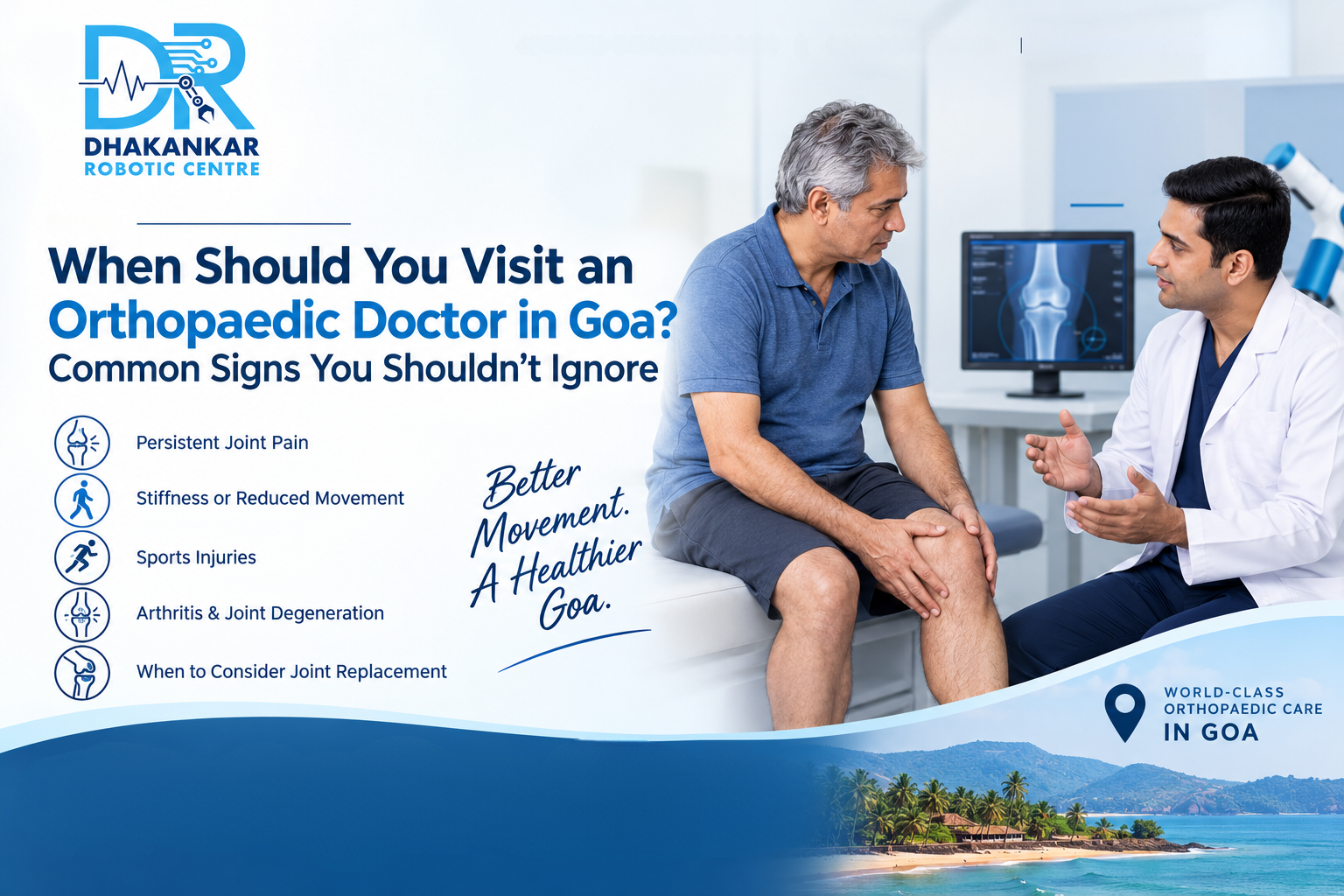
When Should You Visit an Orthopaedic Doctor in Goa? Common Signs You Shouldn’t Ignore
Mild symptoms like knee pain after a prolonged walk can be neglected. But your body’s accommodation of injuries or illnesses can invite further issues. After a certain point, an injury or illness may need further evaluation by an orthopaedic specialist. Knowing when to consult an Orthopaedic doctor in Goa can help you get the right diagnosis early, begin treatment, and avoid developing complications. Ortho Robotics in Madgaon, Goa provides specialist care for conditions like arthritis, sports-related injuries, ligament-related problems, joint related issues, arthroscopy and procedures related to joint replacement. The clinic offers advanced orthopaedic treatments like robotic-assisted knee replacement surgery. Why You Should Not Ignore Persistent Pain In Your Bones or Joints Symptoms of injury like muscle soreness are different from pain that comes back or interferes with normal activities. If your pain limits your sleep and/or normal activities like work and/or exercise, and if it has been there for more than a week, visit an orthopaedic specialist. Osteoarthritis and other forms of arthritis, knee and hip degeneration, ligament or tendon injuries, sports-related injuries, meniscus and cartilage related issues, fractures and trauma related issues, shoulder and elbow disorders, chronic back and musculoskeletal problems, may be detected with early assessments. An orthopaedic assessment does not necessarily lead to surgery. Based on the diagnosis, treatment may consist of medication, physiotherapy, activity modification, injections, rehabilitation or surgery. 8 Signs You Should See an Orthopaedic Doctor in Goa Pain that repeatedly affects your knees, hips, shoulders, ankles, or other joints should not simply be accepted as part of aging. Pain that keeps coming back may be caused by arthritis, cartilage damage, overuse, prior trauma, or other joint related issues. An orthopaedic assessment is recommended for diagnostic purposes and to determine the most appropriate treatment. If you find that pain keeps you from doing daily activities, you should see an orthopaedic doctor. This may be the case if you: When pain bothers you to the point that it begins to affect your quality of life, an assessment is highly warranted. Stiffness accompanied by warmth, tenderness and swelling of a limb or joint is caused by any number of factors, such as an injury, inflammation, or degenerative joint disease. Morning stiffness that lasts a long time or pain and reduced movement with swelling should be evaluated by a medical professional. 4. Reduced Range of Motion Badly inflamed joints are painful and swollen and cannot be ignored. Arthritis, ligament injuries, and cartilage injuries are some of the causes of reduced mobility. Painful joint stiffness is a good indication that a visit to a specialist is warranted. 5. Your Joint Feels Unstable or Gives Way Some injuries, like a growth plate fracture, diminish stability and should be evaluated by an orthopedic surgeon, for instance. Bone, ligament, cartilage, and tendon injuries can be caused by a particularly violent injury, like a sports collision or direct impact. 6. You Have Suffered a Sports Injury You should see an orthopedic surgeon if you experience: Not all sports injuries mean surgery is needed. The proper diagnosis helps provide the best course of treatment like physiotherapy or rest. 7. Pain Persists Despite Physiotherapy or Conservative Treatment Many musculoskeletal problems respond well to physiotherapy, exercise, medication and suitable lifestyle changes. However, persistent symptoms indicate the need for a specialist assessment after appropriate conservative treatment. This may mean the treatment will need to be altered, or if your particular condition is advanced, you may need to discuss surgical options. 8. Severe Arthritis Is Limiting Your Mobility Advanced arthritis erodes the joint and makes even basic movements painful and difficult. Once the pain is severe and mobility has become severely restricted and the non-surgical treatments become ineffective, it is possible your orthopaedic surgeon will discuss the prospect of joint replacement surgery with you. Modern Joint replacement surgery Goa options can include knee and other joint replacement procedures. At Ortho Robotics, robotic-assisted technology is used as part of knee replacement care, with surgical planning tailored to the patient’s anatomy. When Does Knee Pain Require an Orthopaedic Consultation? Knee pain is one of the leading reasons for people seeking an orthopaedic consultation. These circumstances warrant an orthopaedic consultation: Knee pain can result from various reasons including physical overexertion, sports related injuries, and progressive cartilage damage and osteoarthritis. A thorough examination aids the diagnosis of the exact cause. When is Joint Replacement Necessary? Joint replacement is usually recommend when the pain caused by damaged joints impairs your quality of life and when there is no improvement with palliative care. When deciding on joint replacement surgery, doctors look at the factors listed below for knee arthritis. Pain should not be the only factor that you consider in making your decision. At Ortho Robotics, we specialise in knee replacement using robotic technology, but also perform other orthopaedic surgeries such as ACL repair, arthroscopy, and joint reconstruction. What is an Orthopaedic Consultation? During your first consultation, your doctor will ask about your symptoms, medical history, accidents, injuries, recreational and work activities, your level of pain, and how it affects your daily life. The examination may include: After the exam, your doctor will outline your treatment options. Why Should You Choose Orthopaedic Care in Goa? Orthopaedic patients no longer need to travel outside of Goa to receive the medical care they need. At Ortho Robotics, located in Madgaon, we offer the latest technology in knee replacement surgery, joint reconstruction, treatment of sports injuries, arthroscopy and arthritis care. The clinic’s website includes information about Dr. Shreeram Kamat Dhakankar as an orthopaedic specialist who has advanced fellowship training in Germany, and the clinic’s focus on individualized orthopaedic surgery and robotic assisted surgery. Don’t Wait Until Joint Pain Controls Your Routine You do not have to wait until pain becomes severe to consult an Orthopaedic doctor in Goa. Persistent pain, swelling, stiffness, instability, reduced mobility, recurrent sports injuries, and arthritis related restrictions are some of the conditions requiring a professional evaluation. Your specialist will perform a thorough assessment to identify the cause and recommend the
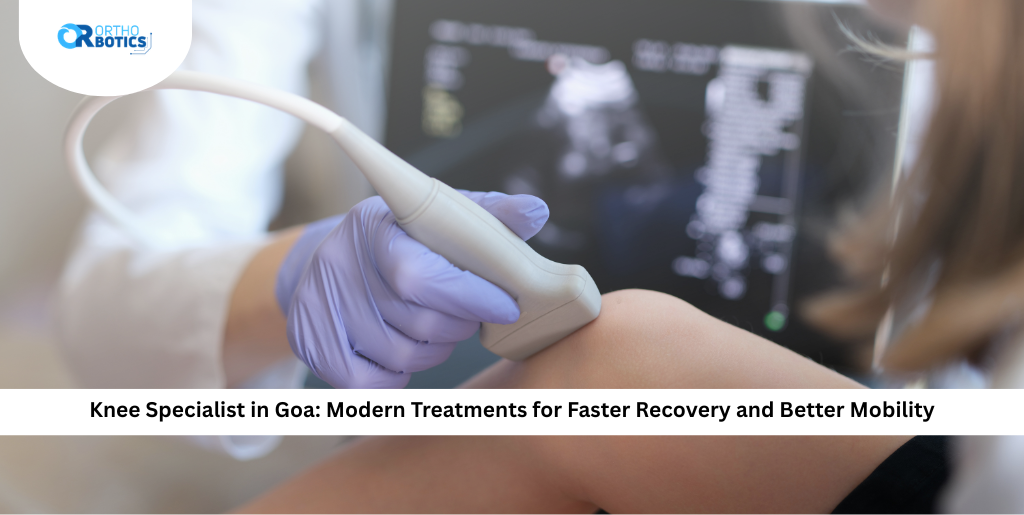
Knee Specialist in Goa: Modern Treatments for Faster Recovery and Better Mobility
Knee pain can affect every aspect of your daily life—from walking and climbing stairs to exercising and enjoying time with your family. Whether your discomfort is caused by arthritis, a sports injury, ligament damage, or age-related wear and tear, consulting a qualified knee specialist early can help prevent further joint damage and restore mobility. At Knee Specialist Goa, we combine advanced orthopedic expertise with robotic-assisted technology to deliver personalized treatment plans that focus on accurate diagnosis, minimally invasive procedures, and faster recovery. The clinic offers robotic knee replacement, partial knee replacement, ACL surgery, arthroscopy, sports injury care, and arthritis management using modern surgical techniques. Common Reasons to Visit a Knee Specialist Persistent knee pain should never be ignored. You should consider consulting a specialist if you experience: Chronic knee pain lasting several weeks Difficulty walking or climbing stairs Knee swelling and stiffness Clicking, locking, or instability Sports-related ligament injuries Reduced range of motion Pain that affects your sleep or daily routine Early diagnosis often allows for more conservative treatment options and may delay or eliminate the need for surgery. Advanced Knee Treatments Available in Goa 1. Robotic-Assisted Knee Replacement Robotic knee replacement is one of the most significant advancements in orthopedic surgery. Instead of replacing the surgeon, robotic technology assists in planning and executing surgery with exceptional precision. Benefits include: Personalized surgical planning Highly accurate implant positioning Better joint alignment Reduced damage to surrounding tissues Less post-operative pain Faster rehabilitation Improved long-term implant performance At Ortho Robotics Goa, robotic-assisted procedures are designed around each patient’s unique anatomy for improved surgical outcomes. 2. Partial Knee Replacement Not every patient requires a total knee replacement. If arthritis affects only one compartment of the knee, a partial knee replacement may preserve healthy bone and ligaments while replacing only the damaged section. Advantages include: Smaller incision Less blood loss Faster recovery More natural knee movement Shorter hospital stay 3. Arthroscopic Knee Surgery Arthroscopy is a minimally invasive procedure performed using a tiny camera inserted into the knee joint. It is commonly recommended for: Meniscus tears Cartilage injuries Loose bone fragments Synovitis Early arthritis evaluation Most patients recover significantly faster compared to traditional open surgery. 4. ACL Reconstruction ACL injuries are common among athletes and active individuals. Modern ACL reconstruction uses minimally invasive arthroscopic techniques to restore knee stability while helping patients return to sports and everyday activities after rehabilitation. 5. Non-Surgical Knee Pain Management Many patients improve without surgery. Treatment may include: Medication Physiotherapy Lifestyle modifications Weight management Bracing Joint injections Activity modification A knee specialist will recommend surgery only when conservative treatments no longer provide adequate relief. Why Robotic Technology Makes a Difference Modern robotic systems assist surgeons by creating a detailed 3D map of the patient’s knee before surgery. This allows: Personalized implant positioning Improved precision Better soft tissue balance Consistent surgical accuracy Reduced risk of alignment errors The surgeon remains in complete control throughout the procedure while using robotic guidance to improve accuracy. Conditions Treated by a Knee Specialist A knee specialist can diagnose and manage: Osteoarthritis Rheumatoid arthritis ACL injuries PCL injuries Meniscus tears Cartilage damage Patellar instability Knee fractures Sports injuries Joint deformities Chronic knee pain Knee stiffness Recovery After Modern Knee Treatments Recovery varies depending on the procedure performed. Many patients undergoing robotic-assisted knee replacement experience: Earlier walking with physiotherapy Reduced post-operative discomfort Shorter hospital stays Improved knee function Faster return to daily activities A structured rehabilitation program remains essential for achieving the best possible outcome. When Should You See a Knee Specialist? Schedule an orthopedic consultation if you notice: Knee pain lasting more than two weeks Swelling that keeps returning Difficulty bending or straightening the knee Pain while walking Knee instability Repeated sports injuries Arthritis limiting daily activities Prompt evaluation can help prevent further joint deterioration. Why Choose Ortho Robotics Goa? Patients choose Ortho Robotics Goa because of: Advanced robotic-assisted orthopedic technology Personalized treatment plans Experienced orthopedic specialists Comprehensive knee care under one roof Modern diagnostic facilities Focus on faster recovery and long-term mobility Dedicated rehabilitation support The clinic provides comprehensive care ranging from conservative management to advanced Orthopaedic doctor in Goa. Frequently Asked Questions (FAQs) 1. What does a knee specialist treat? A knee specialist diagnoses and treats arthritis, ligament injuries, cartilage damage, sports injuries, fractures, meniscus tears, and chronic knee pain. 2. Is robotic knee replacement safe? Yes. Robotic-assisted knee replacement is an advanced surgical technique that helps surgeons improve precision and personalize implant placement while remaining fully in control throughout the procedure. 3. How long does recovery take after robotic knee replacement? Recovery varies between patients, but many begin walking with assistance within a short period after surgery and continue improving through physiotherapy over the following weeks and months. 4. Can knee pain be treated without surgery? Yes. Many patients benefit from medications, physiotherapy, injections, weight management, and lifestyle changes before surgery is considered. 5. Who is a good candidate for knee replacement? Patients with severe arthritis, persistent pain, joint deformity, and reduced mobility that no longer improves with conservative treatment may benefit from knee replacement surgery. 6. What is the difference between partial and total knee replacement? Partial knee replacement replaces only the damaged portion of the joint, while total knee replacement replaces the entire knee joint when damage is extensive. 7. When should I consult a knee specialist? If knee pain persists for more than two weeks, limits your daily activities, or is accompanied by swelling, instability, or difficulty walking, you should seek specialist evaluation. Contact Ortho Robotics Goa (NAP) Ortho Robotics Goa Address: SH-6, Shree Plaza Buildings, Comba, Madgaon, Goa – 403601 Phone: +91 86690 62879 Email: info@orthoroboticsgoa.com Website: https://orthoroboticsgoa.com/ If you are searching for a hip joint specialist chandigarh, then click here
Oxford Partial Knee Replacement Goa: Advanced Technology for Long-Term Knee Health
Knee pain can make even the simplest daily activities—walking, climbing stairs, or standing for long periods—feel challenging. While many people assume that severe knee arthritis always requires a total knee replacement, that isn’t always the case. If arthritis is limited to a single compartment of the knee, an Oxford Partial Knee Replacement Goa may be a highly effective solution. At Ortho Robotics Goa, patients benefit from advanced robotic-assisted orthopedic surgery and personalized treatment planning that focuses on preserving as much of the natural knee as possible while delivering long-lasting pain relief. What Is an Oxford Partial Knee Replacement? Oxford Partial Knee Replacement is a specialized form of unicompartmental knee replacement (UKR) designed for patients whose arthritis affects only one section of the knee. Instead of replacing the entire knee joint, the surgeon replaces only the damaged compartment while preserving healthy cartilage, ligaments, and bone. This approach allows the knee to retain more of its natural movement and function while relieving pain caused by arthritis. The Oxford Partial Knee system has decades of clinical use and is among the most widely used partial knee implant systems worldwide. Who Is a Good Candidate? Oxford Partial Knee Replacement may be suitable if you have: Osteoarthritis confined to one compartment of the knee Persistent knee pain despite medication and physiotherapy Difficulty walking or climbing stairs Healthy knee ligaments Good knee stability Limited deformity of the knee Not every patient with arthritis is a candidate. A comprehensive evaluation, including clinical examination and imaging, helps determine whether a partial or total knee replacement will provide the best outcome. Why Choose Oxford Partial Knee Replacement? Preserves Healthy Bone and Ligaments Unlike total knee replacement, only the damaged portion of the knee is resurfaced. The healthy cartilage, bone, and important ligaments remain intact, helping maintain natural knee mechanics. More Natural Knee Movement Because much of the original knee structure is preserved, patients often report that the knee feels more natural after recovery compared to a total knee replacement. Smaller Incision The procedure generally requires a smaller surgical incision, reducing soft tissue disruption and promoting quicker healing. Faster Recovery Many patients regain mobility sooner, spend less time in the hospital, and return to daily activities faster than with total knee replacement, although recovery varies by individual. Reduced Blood Loss Since less bone and tissue are removed, partial knee replacement is often associated with reduced blood loss during surgery. How Robotic Technology Improves Precision Modern orthopedic surgery has advanced significantly with robotic assistance. At Ortho Robotics Goa, robotic technology helps surgeons: Create detailed 3D surgical planning Analyze each patient’s unique knee anatomy Position implants with exceptional precision Improve alignment Preserve healthy tissues Reduce unnecessary bone removal It’s important to understand that the robotic system does not perform the surgery independently. Instead, it assists the orthopedic surgeon by providing real-time guidance and precision throughout the procedure. Benefits of Robotic-Assisted Oxford Partial Knee Replacement Patients may experience several potential advantages: Improved implant positioning Better joint alignment Less damage to surrounding tissues Reduced post-operative discomfort Faster rehabilitation Improved knee function Potential for longer implant durability due to accurate placement While individual outcomes vary, precise implant positioning is considered an important factor in long-term success. What Happens During the Procedure? The surgery generally involves the following steps: Detailed clinical assessment Digital imaging and surgical planning Robotic-assisted preparation of the damaged compartment Placement of the Oxford Partial Knee implant Verification of alignment and movement Closure through a minimally invasive approach The entire procedure is carefully customized according to the patient’s anatomy and arthritis pattern. Recovery After Oxford Partial Knee Replacement Recovery timelines differ between individuals, but many patients experience: First Few Days Early walking with assistance Pain management Gentle physiotherapy Hospital discharge based on medical progress First Few Weeks Increasing walking distance Improved flexibility Reduced swelling Return to many everyday activities Long-Term Recovery Over the following months, continued physiotherapy helps improve: Strength Balance Mobility Knee function Following your surgeon’s rehabilitation plan plays a key role in achieving the best possible outcome. Long-Term Benefits Oxford Partial Knee Replacement offers several potential long-term advantages: Excellent pain relief Improved mobility Preservation of natural knee movement Smaller surgical trauma Better patient satisfaction in appropriately selected cases Durable implant performance supported by long-term clinical data when used in suitable patients. Why Choose Ortho Robotics Goa? Patients seeking advanced orthopedic care benefit from: Robotic-assisted knee replacement technology Personalized treatment planning Experienced orthopedic specialists Modern surgical techniques Comprehensive rehabilitation support Focus on precision and faster recovery The clinic offers advanced solutions for partial knee replacement, total knee replacement, ACL reconstruction, sports injuries, and joint preservation procedures. Frequently Asked Questions Is Oxford Partial Knee Replacement better than total knee replacement? Neither procedure is universally better. Oxford Partial Knee Replacement is ideal only for patients whose arthritis affects a single compartment of the knee. Your orthopedic surgeon will determine the most appropriate treatment. How long does the implant last? Modern Oxford Partial Knee implants have demonstrated strong long-term clinical performance, with registry data showing excellent survivorship in appropriate patients. Will I be able to walk normally? Many patients regain comfortable walking and experience a more natural-feeling knee because healthy ligaments and bone are preserved. Is robotic surgery safe? Robotic-assisted surgery is designed to improve surgical precision while the orthopedic surgeon remains in complete control throughout the operation. NAP Location: Orthorobotics, Madgaon, Goa Phone: +91-86690 62879 E-mail: [info@orthoroboticsgoa.com] Social Media Facebook: https://facebook.com/orthorobotics Instagram: https://instagram.com/orthorobotics GMB: Oxford Partial Knee Replacement Goa Conclusion Oxford Partial Knee Replacement represents an excellent option for patients with arthritis limited to one part of the knee. By preserving healthy bone, cartilage, and ligaments while replacing only the damaged area, this procedure can deliver effective pain relief, restore mobility, and support long-term knee function. Combined with advanced robotic-assisted technology, patients at Sports Surgery In Goa receive personalized treatment designed for greater precision, improved alignment, and enhanced recovery. If chronic knee pain is affecting your quality of life, consulting an experienced orthopedic specialist can help determine whether Oxford Partial Knee Replacement is the right
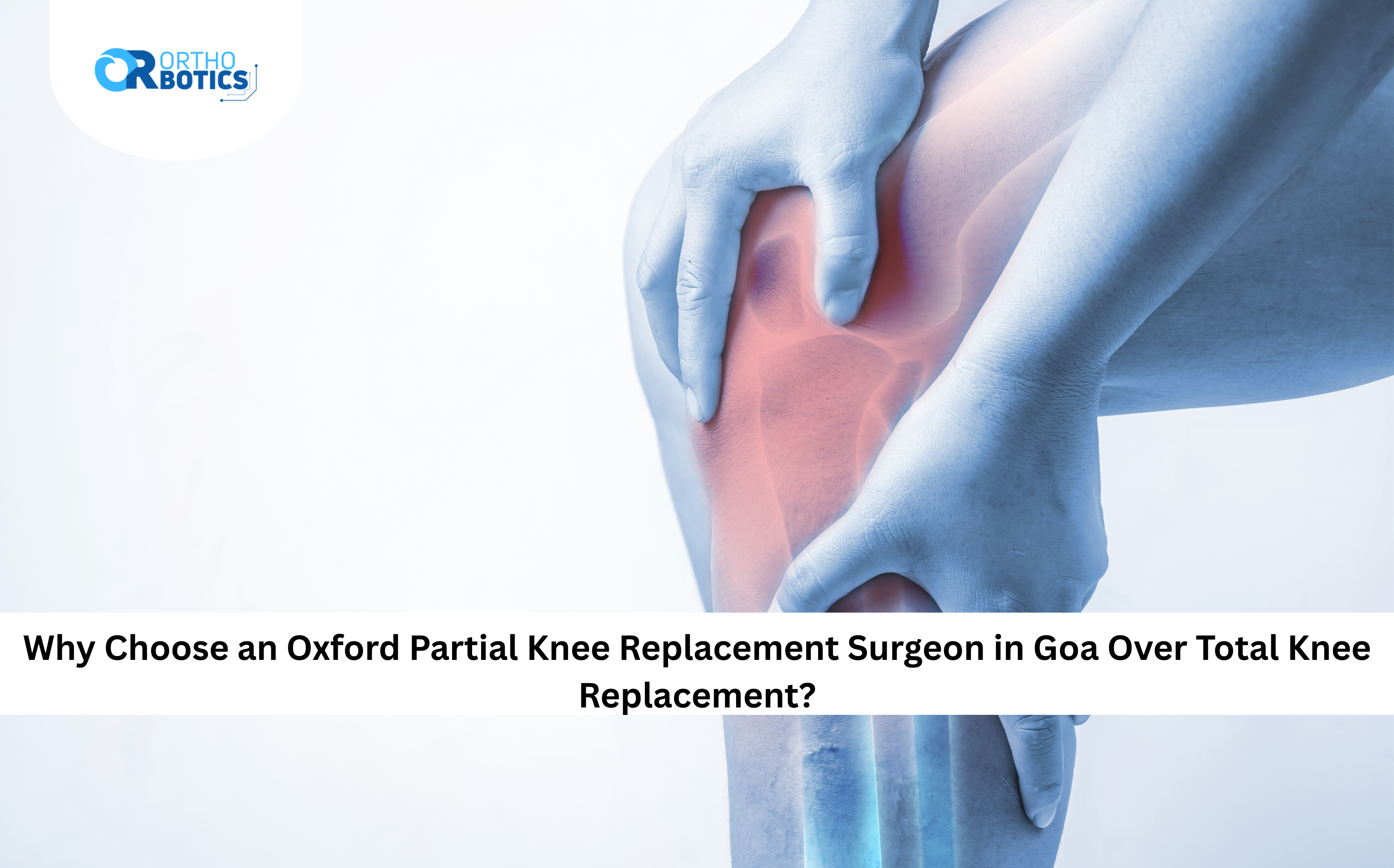
Why Choose an Oxford Partial Knee Replacement Surgeon in Goa Over Total Knee Replacement?
Knee pain caused by arthritis can severely affect your daily life, making simple activities like walking, climbing stairs, or even standing uncomfortable. When medications, physiotherapy, and injections no longer provide relief, knee replacement surgery becomes one of the most effective treatment options. However, many patients today are confused between Oxford Partial Knee Replacement and Total Knee Replacement. If your knee damage is limited to only one compartment of the knee, choosing an experienced Oxford Partial Knee Replacement Surgeon in Goa may offer several advantages over a total knee replacement. With modern robotic-assisted orthopedic technology, patients can now benefit from minimally invasive procedures, faster recovery, and more natural knee movement. robotic knee replacement Understanding Oxford Partial Knee Replacement Oxford Partial Knee Replacement, also known as unicompartmental knee replacement, is a minimally invasive surgery where only the damaged portion of the knee joint is replaced. Unlike total knee replacement, healthy cartilage, ligaments, and bone are preserved. This advanced procedure is ideal for patients whose arthritis affects only one side of the knee. The Oxford implant system is specially designed to mimic natural knee movement and provide long-term comfort. Studies from the University of Oxford and orthopedic research centers show that partial knee replacement can provide excellent pain relief, quicker rehabilitation, and improved patient satisfaction in properly selected patients. Difference Between Partial and Total Knee Replacement In Total Knee Replacement (TKR), the entire knee joint is replaced with artificial implants. This is generally recommended when arthritis affects multiple compartments of the knee. In Oxford Partial Knee Replacement: Only the damaged section is replaced Healthy tissues and ligaments remain intact Smaller surgical incisions are used Natural knee function is better preserved Research suggests that many patients experience a more “natural-feeling” knee after partial replacement because important ligaments like the ACL are preserved. Benefits of Choosing Oxford Partial Knee Replacement 1. Smaller Incision and Less Invasive Surgery One of the biggest advantages of Oxford Partial Knee Replacement is that it requires a much smaller incision compared to total knee replacement. Since less bone and tissue are disturbed, the surgery is less traumatic for the body. This means: Less blood loss Reduced post-operative pain Lower risk of complications Faster healing 2. Faster Recovery and Early Mobility Patients undergoing partial knee replacement often recover significantly faster than those having total knee replacement surgery. Many patients: Start walking within a day Spend less time in the hospital Return to normal activities sooner Several orthopedic studies have shown that recovery and rehabilitation tend to be easier after partial knee replacement. 3. More Natural Knee Movement Because the healthy parts of the knee remain untouched, patients usually report that the knee feels more natural after surgery. Unlike total knee replacement: Natural ligaments are preserved Better knee balance is maintained Joint movement feels smoother This is especially beneficial for active individuals who want to continue walking, traveling, or participating in light sports activities. 4. Reduced Pain After Surgery Since Oxford Partial Knee Replacement is minimally invasive, patients generally experience: Less post-surgical pain Reduced swelling Lower dependence on pain medications Research also suggests lower opioid usage and fewer post-operative complications in partial knee replacement patients. 5. Better Knee Function Partial knee replacement preserves more of your original knee structure, which often leads to: Improved flexibility Better bending ability More stable knee movement Patients frequently report greater satisfaction because the knee continues to feel closer to their natural joint. 6. Robotic-Assisted Precision Surgery Modern orthopedic centers now use robotic-assisted knee replacement technology for greater accuracy and implant positioning. An experienced Oxford Partial Knee Replacement Surgeon in Goa can use robotic systems to: Improve surgical precision Ensure accurate implant alignment Minimize tissue damage Enhance long-term implant performance Robotic-assisted procedures help improve outcomes and provide customized treatment according to the patient’s knee anatomy. Who Is the Ideal Candidate for Oxford Partial Knee Replacement? You may be a suitable candidate if: Arthritis is limited to one part of the knee Knee ligaments are healthy Knee deformity is minimal You maintain reasonable knee movement Conservative treatments have failed However, patients with severe arthritis affecting multiple compartments may still require total knee replacement. Proper evaluation by an experienced orthopedic surgeon is essential before deciding the best treatment option. Why Choose an Experienced Oxford Partial Knee Replacement Surgeon in Goa? Choosing the right surgeon plays a major role in the success of your surgery. An experienced specialist can: Correctly assess whether partial replacement is suitable Use advanced robotic technology for precision Reduce surgical risks Improve recovery outcomes At Orthorobotics Goa, advanced orthopedic care combines robotic-assisted technology with personalized treatment planning to provide effective solutions for knee arthritis patients. Conclusion For eligible patients, Oxford Partial Knee Replacement Goa offers several advantages over Total Knee Replacement, including faster recovery, less pain, smaller incisions, and more natural knee movement. With robotic-assisted orthopedic technology and expert surgical care, patients can regain mobility and return to an active lifestyle with greater confidence. If you are suffering from knee arthritis and looking for advanced treatment options, consulting an experienced Oxford Partial Knee Replacement Surgeon in Goa can help you determine the most suitable procedure for your condition. FAQs Is Oxford Partial Knee Replacement better than Total Knee Replacement? For patients with arthritis limited to one compartment of the knee, Oxford Partial Knee Replacement can offer quicker recovery, less pain, and more natural movement compared to total knee replacement. How long does recovery take after partial knee replacement? Most patients recover faster than total knee replacement patients and may return to daily activities within a few weeks, depending on overall health and physiotherapy. Is robotic-assisted partial knee replacement safe? Yes, robotic-assisted surgery improves precision, implant positioning, and surgical accuracy, which may improve long-term outcomes. How do I know if I need partial or total knee replacement? A detailed clinical examination, X-rays, and imaging studies performed by an orthopedic surgeon will determine the best option based on the extent of arthritis. Does partial knee replacement last long? Modern Oxford Partial Knee implants are designed for durability
How an Arthroscopy Surgeon in Goa Helps Treat Knee, Shoulder & Joint Injuries
Joint injuries can have a negative impact on your daily life, athletic performance and quality of life as a whole. A knee ligament tear, a shoulder that is unstable, damaged cartilage and chronic joint pain can all become worse over time and the treatment can become more difficult and complicated. An arthroscopy surgeon in Goa who has a lot of experience can treat all of these problems and more, using advanced, less invasive techniques. His work enables his patients to return to their daily routines more quickly due to the nature of the procedures. Patients of OrthoRobotics who have knee, shoulder and other joint injuries benefit from precise arthroscopic techniques. robotic techniques The procedures that they offer are designed to help patients to recover more fully and to return more quickly to their normal daily routines and activities. What is Arthroscopy? Arthroscopy is the name of a technique that is less invasive than alternative surgical procedures and that can be both diagnostic and therapeutic for conditions and diseases of a joint. An arthroscope is placed in a small incision in the skin, allowing the surgeon to view the joint arms on a screen and make repairs to the structures within the joint using small specialized tools. Arthroscopy has many advantages over the traditional methods of open joint surgeries. Here are a few of the advantages of arthroscopic surgery: – The incisions made are both fewer and smaller. – Pain has decreased post surgery. – There is a decreased risk for infection. – The recovery period is significantly less in duration. – Scarring will be greatly improved. – The period of time that the patient must remain in the hospital following surgery is greatly reduced. Common Injuries of the Knee as a Result of Arthroscopic Surgery Joint injuries that are now the most frequently injured of all the joints are the knee joints, particularly among the most active members of the population, which are most easily injured, the many who are athletic or highly physical. ACL and PCL Injuries Both the “accident” injuries and injuries of the Anterior Cruciate Ligament (ACL) and Posterior Cruciate Ligament (PCL) are likely to occur as a result of injuries sustained during the performance of sports or of injuries that occur as a result of the performance of sudden twisting maneuvers or of an accident injury of that kind. In these cases, arthroscopic reconstruction of the ligament Meniscus Tears Menisci are located between the femur and tibia and act as shock absorbers. Tears can be the result of an injury or degeneration with age. Using an arthroscopy, surgeons are able to remove or repair meniscus injuries and remove as little healthy cartilage as possible. Cartilage Damage Injuries to cartilage can lead to a decrease in range of motion, swelling, and pain. Arthroscopic surgeries can assist in restoring function to the joint by repairing the cartilage. Knee Synovitis Arthroscopy can assist in the removal of inflamed synovial tissue to restore function in the joint. Shoulder Conditions Treated with Arthroscopy Most shoulder injuries negatively affect the ability to fully utilize the arm and can hinder performance in daily tasks. Rotator Cuff Tears Arthroscopic surgery can repair rotator cuff injuries in order to restore strength to the shoulder and reduce the pain associated with the injury. Shoulder Instability and Dislocations Shoulders that dislocate repeatedly can damage the tissues surrounding the joint. Arthroscopy can assist in the repair of ligaments to restore normal function of the joint. Labral Tears The stability of a shoulder joint is partly due to the labrum. Arthroscopy can assist in the repair of labral injuries to improve pain and stability of the joint. Shoulder Impingement Syndrome Arthroscopy can assist in the removal of tissue and bone spurs that cause impingement to restore full range of motion to the shoulder. Other Joint Injuries Treated Through Arthroscopy Ankle Injuries Arthroscopy can assist in the treatment of cartilage injuries, chronic pain, and ligament injuries. Hip Joint Problems Similar to the ankle, hip joint arthroscopy can treat cartilage and labral injuries and impingement with minimal injury to the surrounding tissues. Elbow and Wrist Conditions Though typically a problem for athletes, stiffness in the joints or tendons can also occur for nonathletic individuals. Their symptoms may improve with arthroscopic treatment. Why Choose an Arthroscopy Surgeon in Goa? Enhanced Diagnostic Capability Arthroscopy gives a surgeon the ability to see with great detail into the joint. This can lead to a more precise diagnosis, which can aid more accurate treatment. Quicker Recovery Using small incisions leads to less tissue damage and a quicker recovery. Less Pain There is typically less pain post surgery when the surgery is performed in a minimally invasive way. Better Function Most patients are satisfied with the increase in the mobility and stability of their joint sustained after arthroscopic surgery. Improvement in Recovery Time Patients often find that they return to their normal life, including work and sport, much sooner with arthroscopic surgery compared to other invasive surgeries. When Should You See an Arthroscopy Surgeon? You should see a surgeon if you are experiencing any of the following: – Ongoing joint pain – Unstable knee or shoulder – Locking or clicking joints – Limited movement – Tendon injuries – Swelling – Pain when completing daily tasks The goal of Arthroscopy Surgery Goa is to improve the serviceability and function of your joints while also decreasing the level of pain when completing daily tasks. Why Choose OrthoRobotics in Goa for Arthroscopic Surgery? Patients can expect to receive state-of-the-art orthopedic care and the latest technology in surgery and treatment at OrthoRobotics. The focus is on minimally invasive procedures which tend to have quick recovery periods and result in excellent outcomes for the patient. Whether you have a sports injury, a ligament or cartilage injury, or have chronic joint pain, OrthoRobotics has the tools necessary for a full range of Arthroscopic solutions that can enhance your mobility and quality of life. FAQs 1. What is Arthroscopy? Arthroscopy is a surgery
Comprehensive Partial Knee Replacement Goa for Enhanced Quality of Life
Knee pain can interrupt day-to-day life. Walking, climbing stairs, and participating in recreational activities can all become a burden. If you suffer from arthritis or damage of the knee that is not as widespread, partial knee replacement in Goa provides a solution that allows you to regain comfort and help keep the rest of the joint structure healthy. At OrthoRobotics, our patients have access to advanced robotic-assisted surgery to help them achieve excellent results advanced robotic-assisted surgery and recover in less time. Partial Knee Replacement Explained Partial knee replacement, also referred to as unicompartmental knee replacement, is a procedure that involves surgically replacing a specific, damaged portion of the knee. Unlike total knee replacement, this procedure helps to protect and preserve the rest of the joints and ligaments. This can be a viable solution when arthritis or damage to the knee has not affected the rest of the knee. This solution has the benefit of being a less invasive procedure and provides a knee that feels more natural and promotes quicker recovery. Who Is Partial Knee Replacement for? You could be a candidate for partial knee replacement if you: – Have constant knee pain that has not improved with conservative treatments – Suffer from arthritis in just one compartment of the knee – Have healthy ligaments and stable knees – Would like to keep as much of your natural knee structure – Believe that your daily life is being affected by knee pain To determine if you are a candidate, you will need to undergo an evaluation by an orthopedic specialist. orthopedic specialist Benefits of Partial Knee Replacement 1. Smaller Incisions Since only part of the knee is replaced, smaller incisions can be made — minimizing tissue disruption. 2. Shorter Rehabilitation Partial knee replacement can mean shorter hospital stays as compared to total knee replacement. 3. Natural Knee Movement Total knee replacement removes ligaments, bones, and cartilage from the knee. Partial knee replacement preserves these structures. 4. Less Blood Loss Reduced tissue damage can mean less blood loss and post-operative pain. 5. Quicker Return to Activities Patients can resume normal activities in a shorter amount of time because of improved pain, mobility, and range of motion. Robotic-Assisted Surgery Robotic-assisted surgical technology is a recent advancement in orthopedic care. OrthoRobotics uses state-of-the-art technology to help surgeons develop customized surgical pathways for patients. Robotic-assisted partial knee replacement features: – Precision of surgery – Correct placement of the knee implant – Proper knee alignment – Lower complications – Better knee implants – Better results The robotic system helps the surgeon throughout the procedure. Recovery from Partial Knee Replacement Recovery from partial knee replacement is faster and easier than a total knee replacement. First Stages – Patients are encouraged to walk soon after the surgery. – Patients will participate in early physical therapy to help facilitate their recovery. – Patients will be monitored and cared for to help manage pain. Rehabilitation Phase – Range of motion will improve gradually. – Targeted rehabilitation programs will include surrounding muscle strengthening. – Full integration into daily activities will be reached in a few weeks, depending on how the individual responds to rehabilitation. Long-Term Benefits Most patients report: – Pain is significantly alleviated. – Joint function is improved. – Improved ability to walk. – Quality of life has improved. – More able and willing to return to physical activities. Why Choose OrthoRobotics for Partial Knee Replacement in Goa? At OrthoRobotics, we are committed to improving orthopaedic care with the combination of the latest robotic technologies and a caring approach to the patient. Some of the reasons that patients choose OrthoRobotics are: – Knowledge of robotic-assisted joint replacement – The latest diagnostic technologies and surgical techniques – Individualized approach to patient care – Full rehabilitation – Commitment to accuracy, safety and long-term outcomes Our mission is to achieve improved mobility and less pain to allow a return to desired activities. Tips for Maintaining Knee Health After Surgery To get the most out of your partial knee replacement: – Adhere closely to your rehab program – Keep your weight in a healthy range – Stay active with low-impact exercise – Go to scheduled follow-ups – Pay attention to your shoes and the surface you walk on – Do not put the knee joint under excess strain Conclusion For patients suffering from localized knee arthritis and damage to the knee joint, Sports surgeon in goa is a wonderful treatment. Keeping the healthy structures of the joint and using modern, advanced, robotic-assisted methods, patients benefit from faster recovery, improved range and quality of movement, and pain relief that lasts. OrthoRobotics is dedicated to providing patients with world-class orthopedic services so that they may lead an active and productive life and enjoy a better quality of life. Contact Information (NAP) OrthoRobotics Location: SH-6 Shree Plaza Buildings, Comba, Madgaon, Goa 403601 Phone Number: +91-86690 62879 Website: [https://orthorobotics.com] Social Media Links Facebook: https://facebook.com/orthorobotics Instagram: https://instagram.com/orthorobotics Frequently Asked Questions (FAQs) 1. What is the difference between partial knee replacement and total knee replacement? A partial knee replacement only replaces the section of the knee that is damaged, while a total knee replacement replaces the entire knee joint. 2. How long does recovery take after partial knee replacement? A few weeks is the typical timeframe to return to most normal daily activities; the timeframe to gain a complete recovery is more variable and is related to an individual’s health and progress in rehabilitation. 3. Is robotic-assisted partial knee replacement safe? Definitely. The added precision offered by robotic-assisted technology is a considerable factor in sustaining a high level of surgical outcome safety. 4. Who is a candidate for partial knee replacement? Those who have arthritis or knee damage that is confined to a single knee compartment and have healthy knee structures may have the procedure recommended. 5. How long do partial knee replacement implants last? Modern partial knee replacement implants can last a lifetime if properly maintained and routinely monitored. 6. Can I walk after partial knee replacement surgery?

Highly Experienced Robotic Knee Surgeon in Goa for Total Knee Replacement
Looking for the best knee replacement surgeon in Goa? Ortho Robotics offers robotic-assisted knee surgery with ROSA technology for precise, faster recovery results.
Affordable Orthopaedic Doctor in Goa Providing Personalized Orthopaedic Treatment Plans
Trusted orthopaedic doctor in Goa providing personalized, affordable orthopaedic treatment. Expert joint and bone care at Ortho Robotics Madgaon.